The Census
Rome Counts
Romans kept records for everything — soldiers, supplies, taxes, and the people they ruled. One of the biggest record-gathering jobs was the census.
Why Take One?
A Roman census wasn’t just a head count. The government wanted to know who lived in each place and what property they held, because that decided who owed tax and how much.
So a census could list people, families, land, buildings, animals — the mix depended on the place and the year. It mattered most right after Rome took direct control of a territory: no records, no way to tax the new subjects.
How Was It Done?
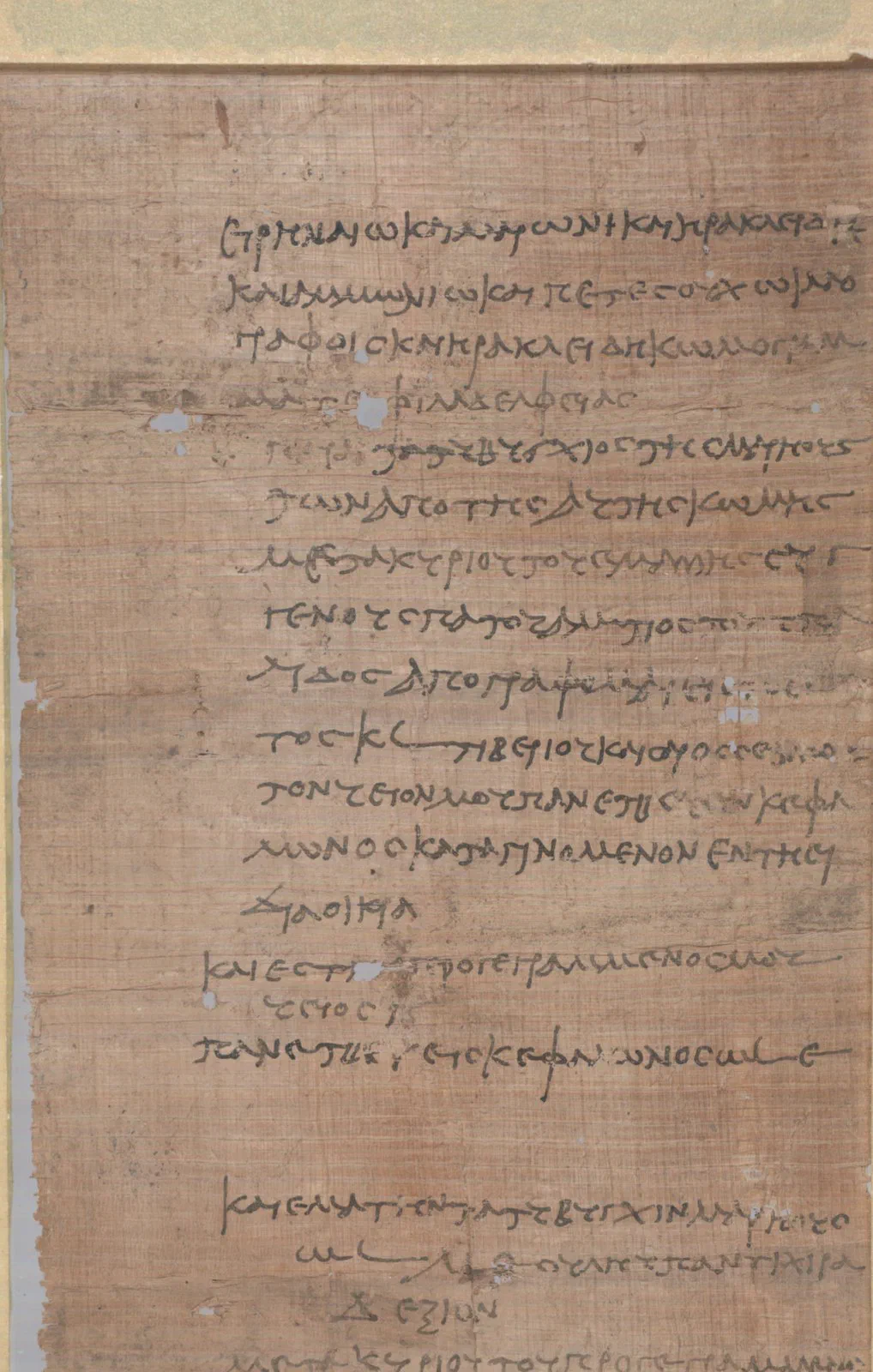
People had to report to Roman officials and declare their households. Census papers that survive from Roman Egypt show families listing their members, ages, jobs, and property. Then the officials and their clerks faced the mountain of collecting, checking, and filing it all.
This was a world with no computers, no printing, not even paper as we’d know it — everything went down by hand on papyrus and wooden tablets. A census generated a small blizzard of records.
Where Did Soldiers Fit In?
A census was a government job run by civilian officials, not a military operation. But in the Roman world, government and army were never far apart. Soldiers escorted officials, carried messages, and kept order while the work got done — and there’s even evidence of a Roman officer helping run a census in the eastern provinces.
So soldiers near a census is entirely plausible. Legionaries personally counting villagers is not.
Our Census
At Bethlehem Revisited, visitors meet Roman soldiers by the census table. The table, the scrolls, the writing gear, and the soldiers are there to make one real point about Roman rule — and it’s the same kind of census the Christmas story sends Joseph and Mary to Bethlehem for.
First Rome took the land. Then it wrote down everyone on it.